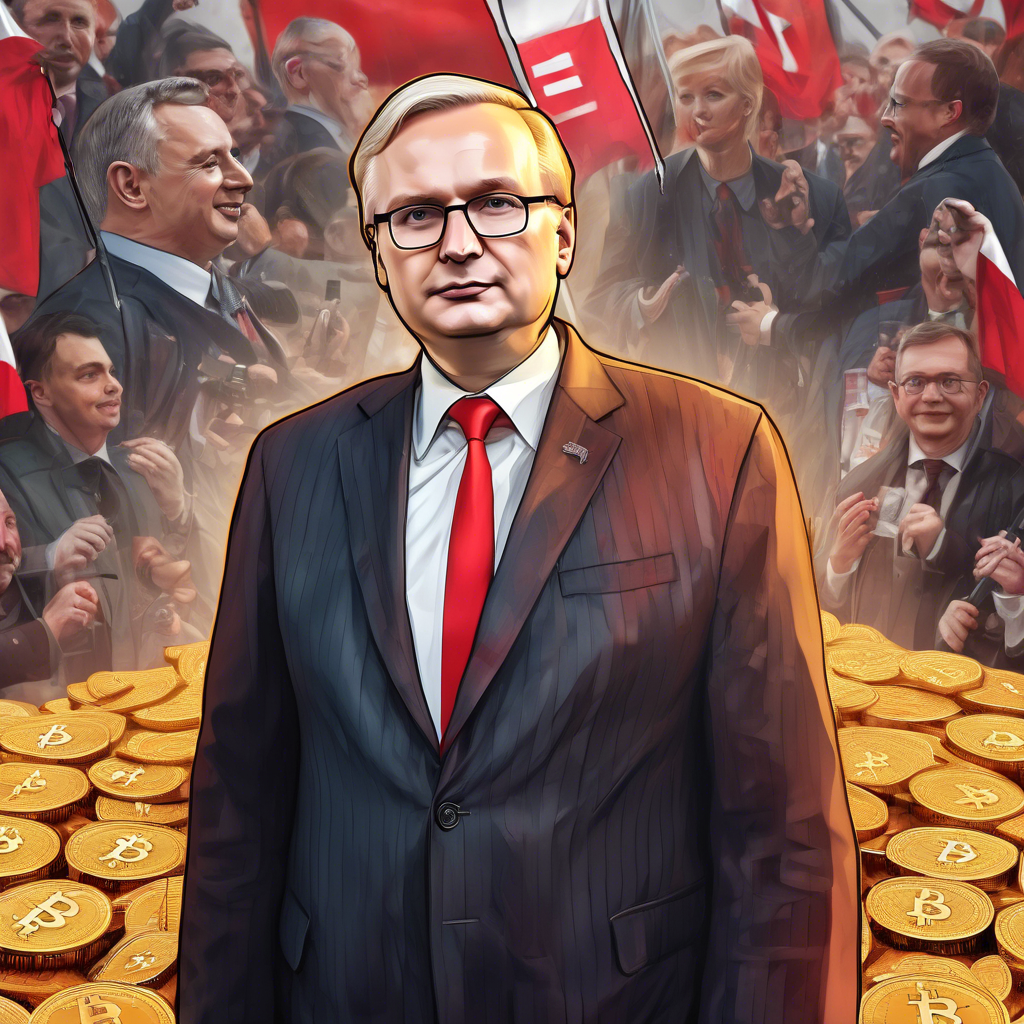
Karol Nawrocki has emerged victorious in the Polish presidential election, securing a narrow win with 50.89% of the vote over his liberal opponent Rafał Trzaskowski. This result was officially confirmed by the National Electoral Commission on Monday. Nawrocki’s triumph places him in a pivotal role to shape Poland’s approach to numerous policies, including the burgeoning field of cryptocurrency.
Nawrocki, known for his conservative leanings and admiration for figures such as Donald Trump, has articulated a vision for Poland to become a pioneer in cryptocurrency innovation rather than a hub of regulation. This perspective has sparked widespread dialogue within financial communities globally, fueling speculation about Poland’s potential exploration of a state-supported Bitcoin treasury—a concept that other major economies have also considered.
Despite Nawrocki’s own admission of not holding any cryptocurrencies, his policy direction leans towards deregulation and fostering a pro-growth environment for the crypto industry. This approach resonated with voters who support Poland’s libertarian and nationalist movements, particularly those backing Sławomir Mentzen, a pro-Bitcoin advocate who campaigned on establishing a “Strategic Bitcoin Reserve.”
While the presidency in Poland holds more symbolic power compared to the prime minister, Nawrocki’s alignment with conservative parties could sway parliamentary debates, especially around regulatory proposals impacting crypto growth. Observers are now keen to see if Poland will emulate the United States under Donald Trump, who initiated a Strategic Bitcoin Reserve with confiscated crypto assets, altering the global discourse on cryptocurrency reserves.
However, Poland’s central bank has previously dismissed the idea of incorporating Bitcoin into its national reserves, citing security and volatility concerns. Nonetheless, the possibility remains that Nawrocki’s administration could support the crypto industry through encouraging startups, blockchain development zones, and possibly offering regulatory or tax incentives to Web3 businesses.
His presidency might also inspire local governments or parliamentary groups to consider adopting digital assets at the municipal level or forming partnerships with blockchain companies. Across Europe, where countries like Germany and France have adopted a more cautious stance on digital assets, Poland could chart a more independent course, potentially positioning itself as a leading crypto jurisdiction in Central Europe.
Interest in cryptocurrency within Poland is growing, especially among the younger demographic and the tech sector. If Nawrocki’s leadership can foster a conducive environment, Poland may well rise as a central figure in Europe’s crypto landscape. As the industry looks forward to Nawrocki’s cabinet selections and early policy moves, the future of Poland’s digital asset strategy is poised for significant attention from global observers.
“Karol Nawrocki wins Polish presidency, signaling a potential pivot towards crypto innovation and a less regulated digital asset landscape. How will this affect Poland’s position in the global crypto market? #PolandElection #CryptoFuture”